-
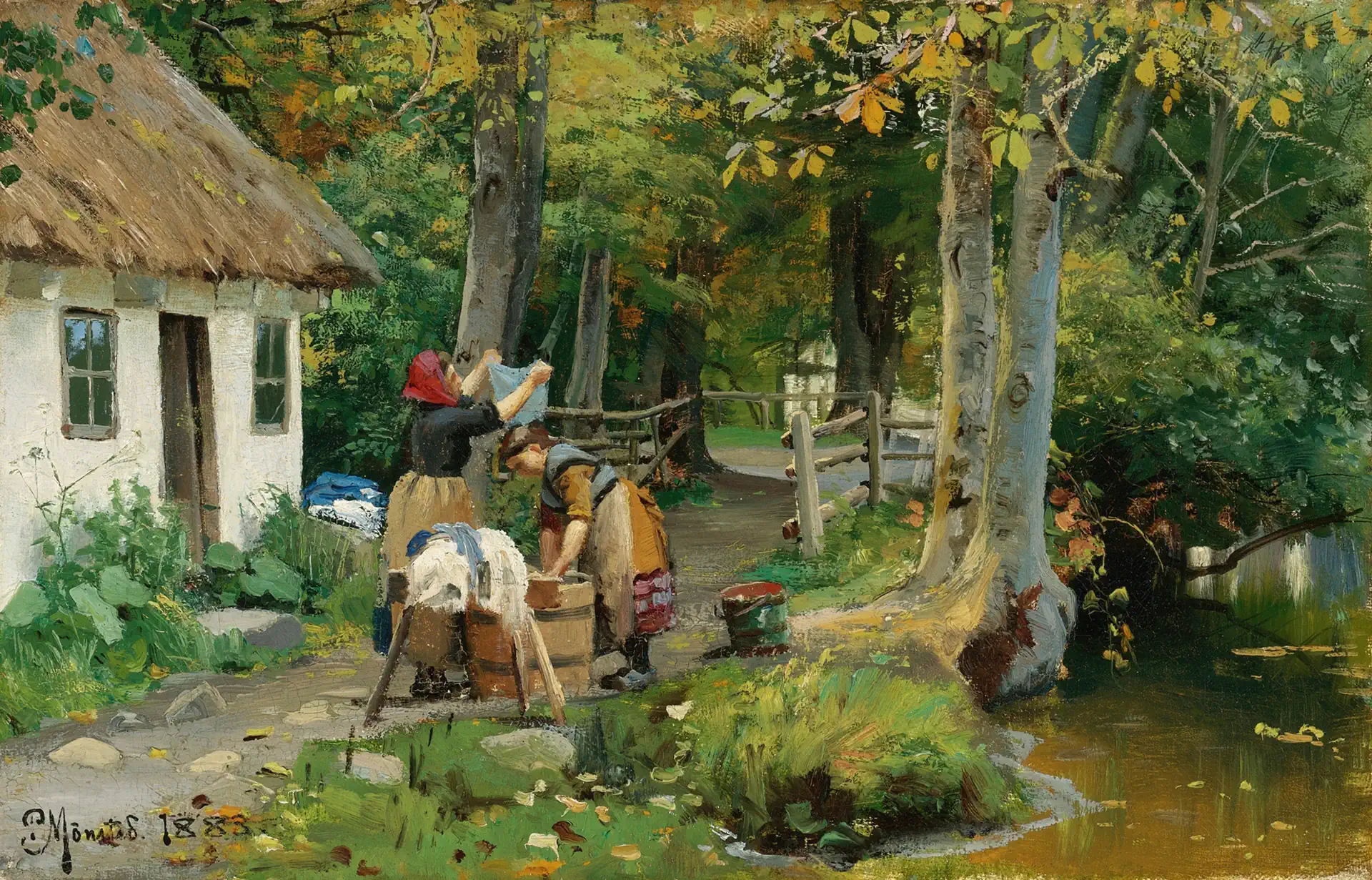
What Profit Have Workers From Their Toil?
Read ☛: What Profit Have Workers From Their Toil?When I use my washing machine or dishwasher, I should at least be aware that many people’s work, many hours of their lives, were spent to make them. I should try to purchase things as well as I can that are made in places that uphold the dignity of the laborer and their labor. And…
-
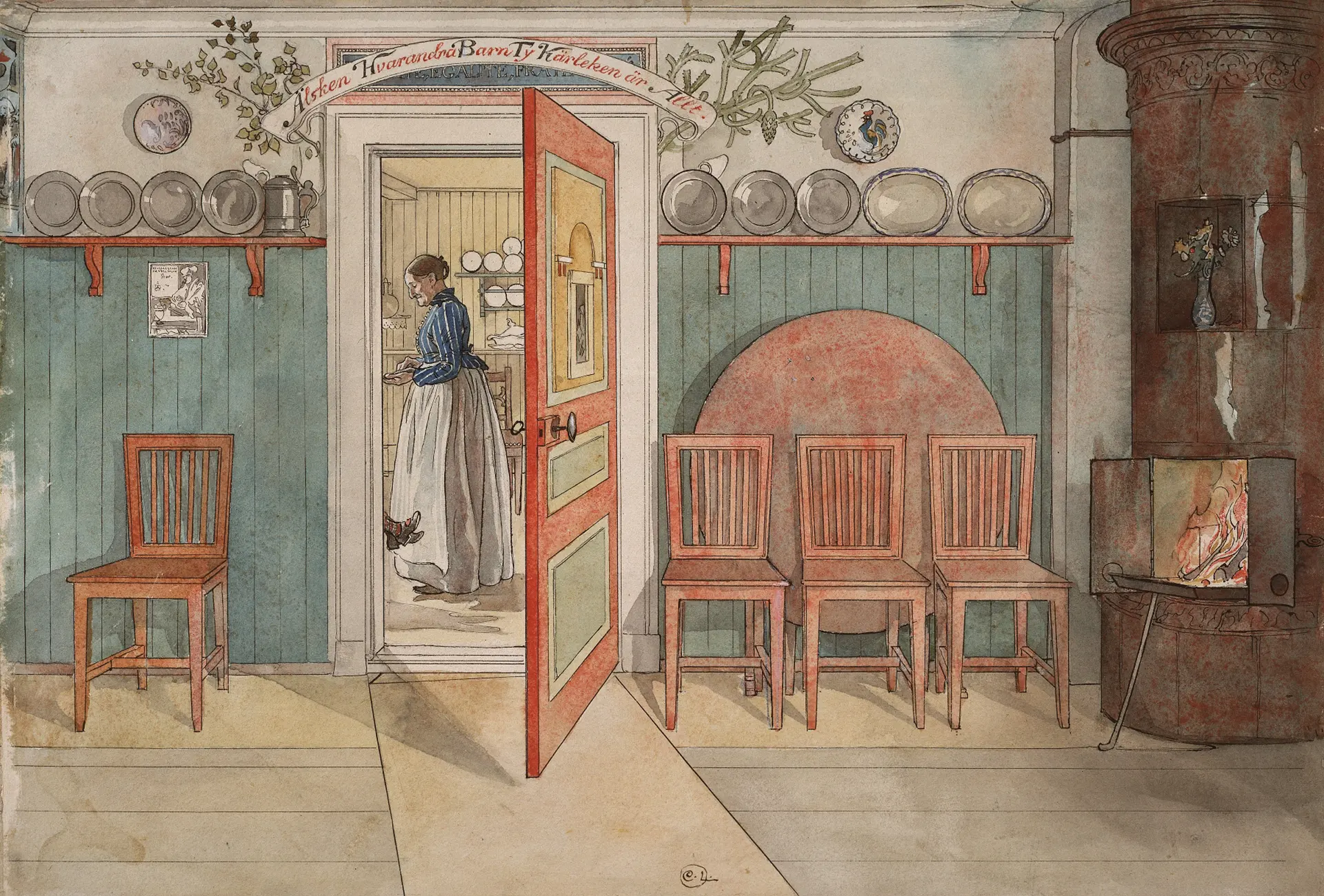
The Sacred Ordinary: On the Revolutionary Act of Staying Put
Read ☛: The Sacred Ordinary: On the Revolutionary Act of Staying PutIn an age of unprecedented mobility, when man can traverse continents in hours and switch careers as easily as he changes his gender, the most radical act has become the simple art of remaining still.
-
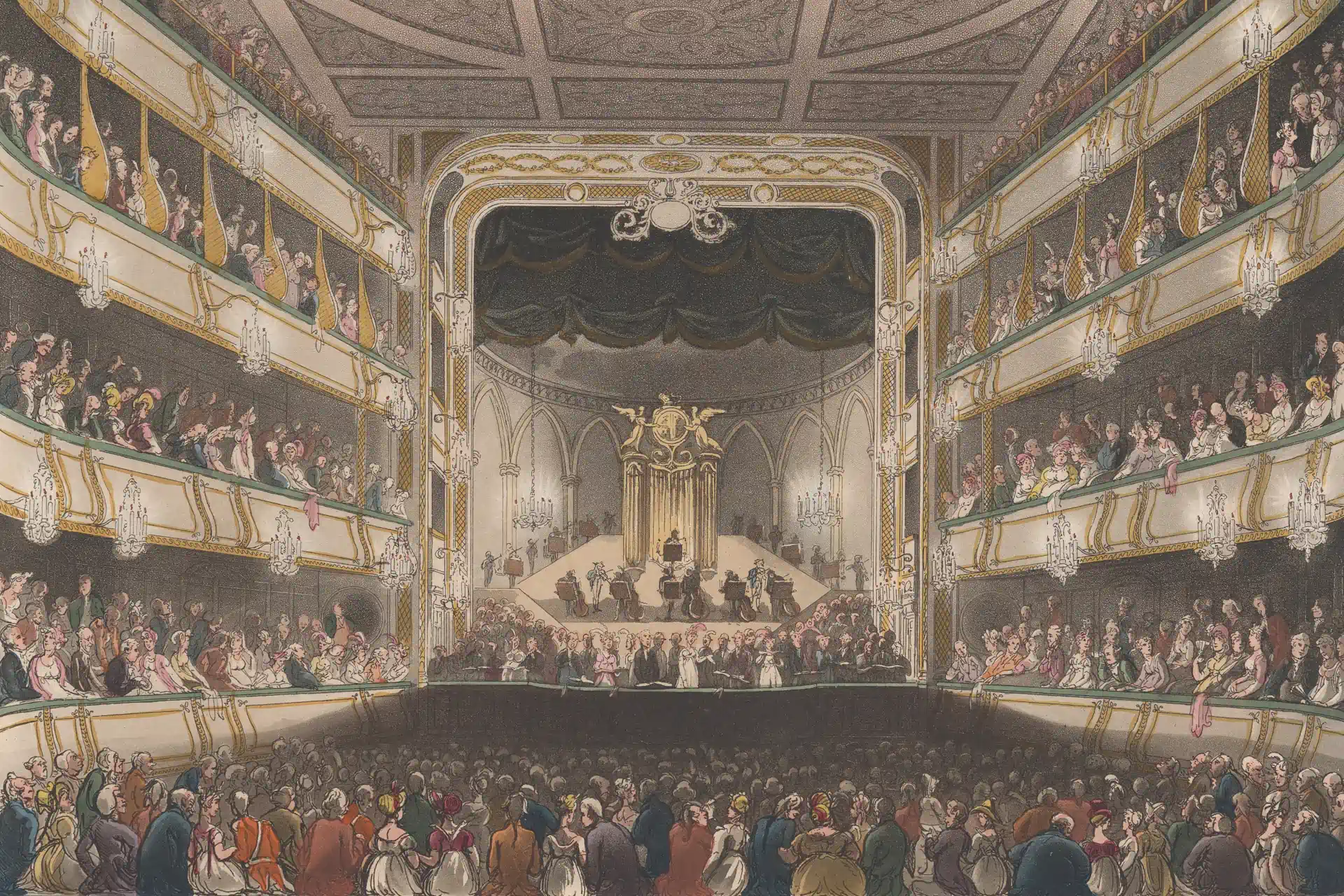
Reflections Upon Irena’s Vow
Read ☛: Reflections Upon Irena’s VowLast weekend, the Angelico Project staged three performances of the play Irena’s Vow at the Aronoff’s Jarson-Kaplan Theater. Each sold out—which almost never happens in that theater, according to staff. That is no small feat. So, amidst our discussions about the play itself, we should consider the greater implications of this achievement.
-
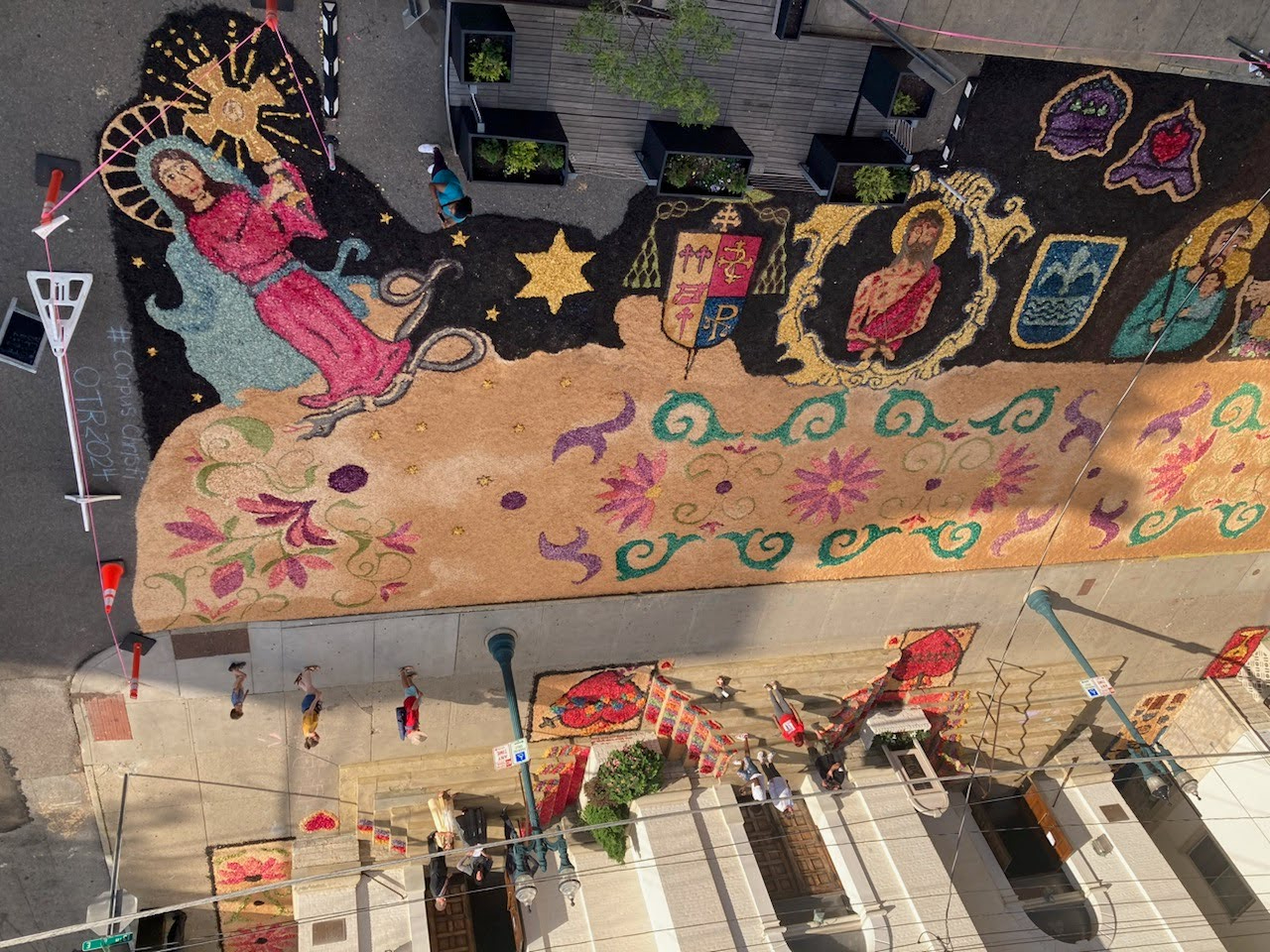
Dust to Dust on Corpus Christi
Read ☛: Dust to Dust on Corpus ChristiBefore 7am on Thursday, they began to prepare 13th street. They chalked designs, carted bags of wood chips, and spread colors for 12 hours till the bells chimed for Mass and they rushed to wash their stained blue fingers, tie their hair into braids, and wash their perspired faces. An hour later, a crowd poured…
-
Meditation on Language
Read ☛: Meditation on LanguageAs conversation of all kinds unravels in our world today, and words become unmoored from meaning, it is right and just, perhaps even our duty and ultimately our salvation, to reflect upon words and the Word.
-
Why are We Ignoring the Church’s Teaching on Usury?
Read ☛: Why are We Ignoring the Church’s Teaching on Usury?Of course, I never considered how odd (or recent) of a phenomenon the investment system was (money can just… make more money from itself? Reproduce, like plants?), and I certainly never considered how widespread usury might impact our economy and social structures on a macroscale.