That the spirit of revolutionary change, which has long been disturbing the nations of the world, should have passed beyond the sphere of politics and made its influence felt in the cognate sphere of practical economics is not surprising. The elements of the conflict now raging are unmistakable, in the vast expansion of industrial pursuits and the marvelous discoveries of science; in the changed relations between masters and workmen; in the enormous fortunes of some few individuals, and the utter poverty of the masses; the increased self-reliance and closer mutual combination of the working classes; as also, finally, in the prevailing moral degeneracy.
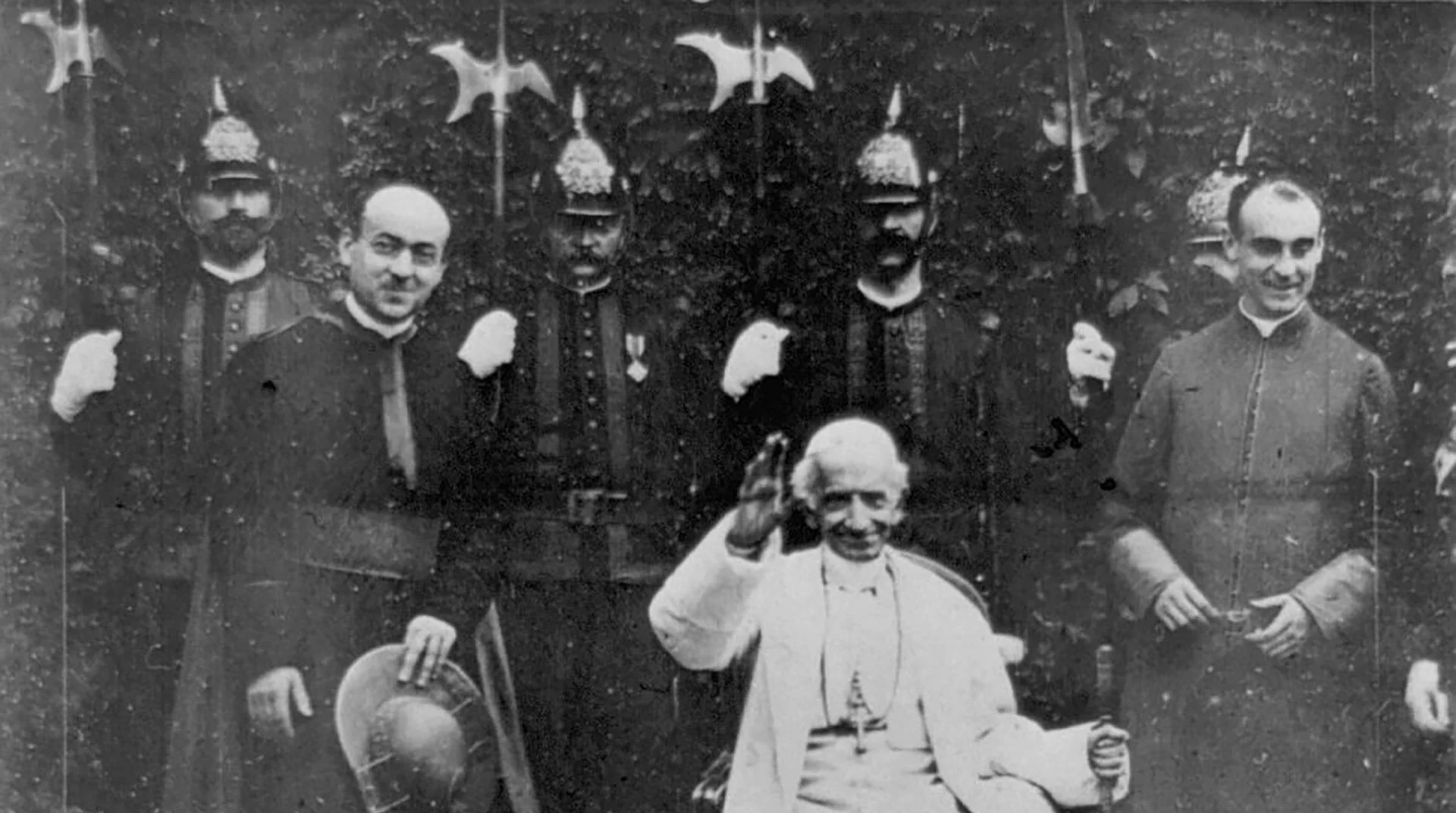
Rerum Novarum is one of, if not the, most important Papal Encyclicals. Writing in 1891, Pope Leo XIII grappled with the implications of the industrial revolution—the profound economic, cultural, and political changes that it wrought, just as they were beginning to take shape. Today, those challenges remain with us, and remain unsolved. Although far advanced in years, we still live in the same industrial age about which the Pope wrote. He has much to teach us. Other than Scripture, Rerum Novarum serves as the foundation upon which Catholic Social Teaching is built. Absent some civilization-ending cataclysm, it promises to remain so. Rerum Novarum was celebrated by Pope Pius XI in its fortieth year with Quadragesimo Anno and again by St. Pope John Paul II in its hundredth year with Centesimus Annus. So too we celebrate it in its one hundred thirty-third year. We have invited contributors to write short reflections on the encyclical and invite you to submit your thoughts as well. The challenges addressed in Rerum Novarum remain the challenges of our time. Enough ink cannot be spilt.
To Our Venerable Brethren the Patriarchs, Primates, Archbishops, Bishops, and other ordinaries
of places having Peace and Communion with the Apostolic See.
Rights and Duties of Capital and Labor
LEO XIII
REFERENCES:
1). The title sometimes given to this encyclical, On the Condition of the Working Classes, is
therefore perfectly justified. A few lines after this sentence, the Pope gives a more
comprehensive definition of the subject of Rerum Novarum. We are using it as a title.
2). Deut. 5:21.
3). Gen. 1:28.
4). Summa theologiae, IIa-IIae, q. x, art. 12, Answer.
5). Gen. 3:17.6). James 5:4.
7). 2 Tim. 2:12.
8). 2 Cor. 4:17.
9). Matt. 19:23-24.
10). Luke 6:24-Z5.
11). Summa theologiae, IIa-IIae, q. lxvi, art. 2, Answer.
12). Ibid.
13). Ibid., q. xxxii, a. 6, Answer.
14). Luke 11:41.
15). Acts 20:35.
16). Matt.25:40.
17). Hom. in Evang., 9, n. 7 (PL 76, 1109B).
18). 2 Cor. 8:9.
19). Mark 6:3.
20). Matt.5:3.
21). Matt. 11:28.
22). Rom. 8:17.
23). 1 Tim. 6:10.
24). Acts 4:34.
25). Apologia secunda, 39, (Apologeticus, cap. 39; PL1, 533A).
26). See above, pp. 161-184.
27). Summa theologiae, IIa-Ilae, q. lxi, are. l, ad 2m.
28). Thomas Aquinas, On the Governance of Rulers, 1, 15 (Opera omnia, ed. Vives, Vol. 27, p.
356).
29). Gen.1:28.
30). Rom. 10:12.
31). Exod.20:8.
32). Gen. 2:2.
33). Gen. 3:19.
34). Eccle.4:9-10.
35). Prov.18:19.
36). Contra impugnantes Dei cultum et religionem, Part 2, ch. 8 (Opera omnia, ed. Vives, Vol.
29, p. 16).
37). Ibid.
38). “Human law is law only by virtue of its accordance with right reason; and thus it is manifest
that it flows from the eternal law. And in so far as it deviates from right reason it is called an
unjust law; in such case it is no law at all, but rather a species of violence.” Thomas
Aquinas, Summa theologiae, Ia-Ilae, q. xciii, art. 3, ad 2m.
39). Matt. 16:26.
40). Matt. 6:32-33.
41). I Cor. 13:4-7.